Uncategorized

  • 薄瓜瓜性骚扰美大使女儿 海

    薄瓜瓜性骚扰美大使女儿 海伍德为其摆平

    薄熙来之子薄瓜瓜风流成性,早在牛津大学期间,其艳照就在网络上广为流传。(网上图片)

    【大纪元2012年08月25日讯】(大纪元记者郭惠综合报导)2012年8月20日中共宣判薄谷开来因故意杀人判处死缓。合肥市中级法院声称,谷开来认为海伍德威胁到其子薄瓜瓜的人身安全故将其杀害。而最新一期香港杂志《脸谱》质疑北京官方媒体公布的薄谷开来庭审内容疑点颇多,认为谷杀人动机难以自圆其说。海伍德邮件中称“You ‘ll be destroyed” (就毁了你),实际并非生命威胁而是名誉上的。此前薄瓜瓜性骚扰美国前驻华大使洪博培女儿,正是海伍德为薄瓜瓜做的最重要也是最后一件事——为其摆平性丑闻。

    海伍德照顾薄瓜瓜在海外的读书生活

    薄熙来之子薄瓜瓜风流成性,早在牛津大学期间,其艳照就在网络上广为流传。当时网上流传的照片显示他袒胸露乳,左拥右抱,与一帮洋妞打得火热。不少中文网站还发帖说:“爹在国内传毛教,孩在国外嗑迷药。”

    作为薄家海外“管家”的海伍德一项重要任务就是照顾薄瓜瓜在海外的读书生活。除了把薄瓜瓜搞到哈罗公学读书,薄瓜瓜升读牛津大学之后,海伍德还帮助薄瓜瓜在牛津大学举办各种舞会。而薄瓜瓜因在牛津大学多门成绩不合格,被牛津大学勒令退学。据说,中共驻英国大使馆曾为此向牛津大学求情,但没有效果,最后是海伍德想办法把薄瓜瓜弄到哈佛大学继续学业。不过哈佛大学需要薄瓜瓜在牛津的学业证明,牛津大学不愿出具,最后是通过香港头号富商找到前港督、牛津大学校长彭定康,牛津才勉强为薄瓜瓜出具了一份学习成绩证明,薄瓜瓜这才得以入读哈佛大学。


    薄熙来之子薄瓜瓜风流成性,早在牛津大学期间,其艳照就在网络上广为流传。(网上图片)


    薄熙来之子薄瓜瓜风流成性,早在牛津大学期间,其艳照就在网络上广为流传。(网上图片)

    薄瓜瓜涉嫌性骚扰洪博培千金

    作为薄瓜瓜的监护人,海伍德显然非常了解薄瓜瓜的风流韵事。早前《亚洲周刊》曾报导说,薄瓜瓜开法拉利约会前美国驻华大使洪博培(Jon Meade Huntsman)女儿的消息最早于2011年11月26日由《华尔街日报》披露,此事在北京则广为人知。

    据悉,那次约会薄瓜瓜没有表现出留学英国的英伦绅士风范,而是动手动脚,涉嫌性骚扰洪博培千金,让洪博培非常生气,差点酿成外交风波。

    薄瓜瓜性骚扰一事曝光后,薄熙来在3月两会召开期间最后一次公开露面时还宣称被人“泼脏水”,并驳斥其子薄瓜瓜开发法拉利的传闻。

    薄瓜瓜也曾在今年4月24日通过电子邮件给哈佛肯尼迪学院校报发表声明称,从未去过美使馆,也没有红色法拉利。

    不过洪博培的女儿艾比后来的回应证实那次约会确有其事,薄瓜瓜确曾与其姐姐玛丽安同乘一车并共进晚餐,且她和薄瓜瓜的一名友人也在场,不过,她们并不确认那辆车是否为法拉利。

    《脸谱》独家获悉,那天薄瓜瓜不知把洪博培千金带到哪裹去了,直到深夜都没回家,电话也打不通。最后洪博培通过中国外交部才找到人。洪博培一家都信仰摩门教,而摩门教家教甚严,洪博培的恼怒可想而知。由于洪家也不想此事太过张扬,最后息事宁人。


    前美国驻中国大使洪博培之女,左起玛丽安、Liddy和艾比。(网上图片)

    海伍德为薄瓜瓜摆平性丑闻

    据报,薄瓜瓜性骚扰事件在北京权力圈子和外国人中流传甚广,当时一外媒记者w 听说到这个事情,就开始调查,并联系有关的当事人,并向薄家求证。自然,海伍德很快就知道薄瓜瓜又有了新麻烦。

    海伍德怕夜长梦多,急切地找到W,并要求和他聊聊。不知是海伍德对有关当事人的“公关”起了作用,还是与媒体的“沟通”有了效果,w记者后来对此事的调查进展不大。据说, 海伍德为薄瓜瓜做的最重要也是最后一件事,正是帮薄瓜瓜摆平了性骚扰美国大使女儿的事情。

    因此可以判断,海伍德要想“毁”了薄瓜瓜的话,曝光差点酿成外交纠纷的性骚扰事件,就足以让薄瓜瓜身败名裂,用不着去要了薄瓜瓜的命。而那份邮件应该是指名誉上的,而非生命威胁。

    薄瓜瓜证词指证谷和中共法庭都在说谎

    8月20日,《华盛顿邮报》引述薄谷开来家人的一名朋友的话说,薄瓜瓜在证词中强调他近年来都未和海伍德见面。这名知情人说,在证词中,薄瓜瓜断定他在近年中并未跟海伍德有任何瓜葛。

    外界认为,言外之意,他不是海伍德被薄谷开来灭口的原因。薄瓜瓜的这份未被中共法庭采纳的证词也说明薄谷开来和中共法庭都在说谎。

    此外,海伍德的朋友们也质疑有关海伍德曾威胁并拘禁薄瓜瓜的说法,认为荒唐可笑。他们说海伍德曾经非常细心地照料过薄瓜瓜在英国留学期间的生活。海伍德一位要求不透露其姓名的朋友说,如果海伍德真的威胁过谷女士之子的幸福,我愿意吃下自己的帽子。

    谷案谋杀原因

    早前《大纪元》报导称,薄熙来夫妇最早在大连时,开始活摘器官卖钱。薄谷开来和海伍德在英国开了家合资公司,专门负责把器官和尸体卖到海外。当发现海伍德和他们离心离德之后,在薄的授意下,由薄谷开来和张晓军出面毒死了海伍德。

    而谷案绝非与海伍德经济利益发生矛盾,并在电子邮件中言辞威胁薄瓜瓜而决意将其杀害表面上看起来那么简单。

    http://www.epochtimes.com/gb/12/8/25/n3667768.htm%E8%96%84%E7%93%9C%E7%93%9C%E6%80%A7%E9%AA%9A%E6%89%B0%E7%BE%8E%E5%A4%A7%E4%BD%BF%E5%A5%B3%E5%84%BF–%E6%B5%B7%E4%BC%8D%E5%BE%B7%E4%B8%BA%E5%85%B6%E6%91%86%E5%B9%B3?p=all

  • China’s missile advances aimed at thwarting US defenses, analysts say

    China’s missile advances aimed at thwarting US defenses, analysts say

    Dated: 2012-08-26


    Hong Kong: China is moving ahead with the development of a new and more capable generation of intercontinental ballistic missiles and submarine-launched missiles, giving it a greater capability to hit targets in the United States and to overwhelm any missile defense systems, US media quoting military analysts reported on Saturday.

    China’s steady improvements in its military capabilities have caused concern in Congress and among American allies in East Asia, particularly as the improvements have coincided with a more assertive Chinese position regarding territorial claims in the East China Sea and South China Sea.

    The Global Times, a newspaper directly controlled by the Chinese Communist Party, reported on Wednesday that China was developing the capability to put multiple warheads on intercontinental ballistic missiles, or ICBMs. But the newspaper disputed a report in Jane’s Defense Weekly that the latest Chinese ICBM, the Dongfeng-41, had already been tested last month.

    Larry Wortzel, a former U.S. military intelligence officer and retired Army colonel who is now a commissioner of the U.S.-China Economic and Security Review Commission, a panel created by Congress, said that China was developing the capability to put as many as 10 nuclear warheads on an ICBM plus a series of dummy warheads. The dummy warheads would have heat and electromagnetic devices designed to trick missile defense systems into perceiving them as being as threatening as the actual warheads, he said.

    “The bigger implication of this is that as they begin to field a force of missiles with multiple warheads, it means everything we assume about the size of their nuclear arsenal becomes wrong,” he said.

    China has separately tested submarine-launched missiles as well in recent weeks, and could use these to outflank American missile detection systems, Colonel Wortzel said. Most of the radar arrays that the United States has deployed to detect ballistic missiles were built during the cold war to detect attacks over polar routes.

    Sun Zhe, a professor of international relations at Tsinghua University in Beijing and a frequent commentator on U.S.-China relations, said that China was developing its military forces only to respond to continued efforts by other countries, particularly the United States, to continue improving their own forces.   “We have again and again said that we will not be the first country to use nuclear force,” he said. “We need to be able to defend ourselves, and our main threat, I’m afraid, comes from the United States.”

    The United States has been mulling where it can best place additional high-tech radar systems designed to track ballistic missiles. American forces currently have one in northern Japan and others that are deployed from time to time at sea. The Wall Street Journal reported this week on discussions of whether to put two more on land, in southern Japan and in Southeast Asia.

    American officials have said repeatedly that their main concern is North Korea, which has been testing long-range missiles and developing nuclear weapons. But Chinese officials and experts have been deeply suspicious that American missile defense systems are aimed at their country’s forces as well.

    “I have no doubt that the one of the goals of the missile defenses is to contain threats from North Korea, but objectively speaking, a high-tech expansion of U.S. military biceps impacts China, too,” said Shi Yinhong, a professor of international relations at Renmin University in Beijing, adding that discussions have taken place in China on whether to develop missile defense systems as well.

    http://www.onlinenews.com.pk/details.php?newsid=200640&catname=World

  • Lair of the dragon’s dissident

    Lair of the dragon’s dissident

    Sutirtho Patranobis, Hindustan Times
    Beijing , August 25, 2012

    “Politics is like air and water. And you know if there is bad politics. Everyone is polluted. Everyone is unhealthy. See the people walking on the street…how they act,” says Ai Weiwei,  artist and now the most famous Chinese dissident, leaning back in his chair.

    “Art for art’s sake is a political statement. Art is always about aesthetics, about aesthetic values rooted in moral and philosophical judgements. And it cannot avoid politics. All the best art is political.”

    And for Ai, democracy is the politics of the people. “Democracy is the answer,” he says when asked about political systems, but adds there is no such thing as a single democratic system which would suit all societies. “That’ll be a problem. There is no standard democracy. But democracy is the most efficient way:  people’s way rather than the elite or someone who controls your rights. We are born as individuals. We need to participate, contribute our energy and passion.”

    For the past few years, Beijing has been trying to identify what particular form of dissidence Ai represents — and how best to quietly throttle it. Once China’s favourite artist, Ai fell from the Chinese Communist Party’s grace with his critical blogs, investigations into the deaths of children during the 2008 Sichuan earthquake and vitriolic attacks on the authoritarian regime.

    Ai says that the leaders of the party “truly believe they are privileged.”

    “How many Chinese officials send their children to study abroad? To US universities? They don’t believe in their own system. The land under them is not stable.” Ai was arrested by Chinese authorities in April 2011 — as the Arab spring was spreading — and held incommunicado for 81 days. Now he’s back home, but prohibited from travelling abroad, engaging in public speech, and subjected to continuous government surveillance.

    “They took [my passport] on April 3, 2011. The authorities are extremely nervous. They are frustrated. The party rises above the law. There is no democracy within the party. The law has become a tool to crush independent thinking. That is why they have to pick up someone like me. I am not a politician, not a fighter. I just ask questions and use my way to present them…this is such a trouble for them.”

    Ai and those close to him are under constant watch. Surveillance cameras line the streetlights outside the grey high walls and small gate that surround Ai’s home and studio. The surveillance is not just physical. More than 1,000 words associated with Ai are banned on websites in China — Ai, Weiwei, the fat man, the man with the beard, tax case — they are all banned. “I can never be on Chinese websites,” he says. “Tax case” refers to Beijing’s attempt to muzzle him by charging him with not paying millions of yuan in taxes.”

    Located in the Caochangdi art district, northeast Beijing, the studio-cum-home space was designed by Ai. Inside, the stone walls of his home and work space are divided by a lush green lawn where white, black and brown cats laze. A glass table and few chairs sit in one corner. No one, not even the burly artist himself, knows how many cats there are. Could be 30, he says.

    Earlier, around 8.30 in the morning, Ai, without looking up from his Twitter account, said: “You are early. So, hang around.” On an average, he spends about eight hours on Twitter after waking up, reading the news, and participating in online discussions. About 15 minutes later, Ai put on a light jacket over his t-shirt, walked across the lawn and sat at the table.

    “My past few years have been very difficult, extremely restricted. Detention and threat. Harassment and regulations, which really limit my way,” Ai says. His rough brush with the Chinese government began during the lead-up to the Beijing Olympics in 2008, soon after he was asked to be artistic consultant for the project to design the famous Bird’s Nest stadium.

    “It brought back bad memories; the way people were being discriminated against (when Beijing was demolished and rebuilt). Built up like a police state. Regulating people’s freedom and rights to (make them) put up a fake smile. I felt terrible.”

    Ai began writing critical blogs. “I researched on the earthquake victims of Sichuan. Wrote a lot of papers on judicial procedures. First gradually, then I got quickly involved (with other issues), he says, adding: “Internet gave me the opportunity to get involved.”

    Technology has been the tool to voice his critiques of government. “I am a typical product of internet freedom under authoritarian society,” he says, adding his impact is directly tied to the internet.

    “Technology for me is a strong part of the future because it is designed by people. And it helps societies like China with primitive freedom of expression and communication. Flow of information can be the foundation of people to make a choice, make a better judgement. That is the end of authoritarian government. Fighting for freedom of expression is in human nature.”

    Technology has meant, despite the restrictions on him, that Ai has been able to reach out to a younger generation.

    “I am a free man online. Otherwise, I am followed everywhere, even in the park. As long as they don’t put me in jail or sentence me, I still have a lot of space. Restrictions are much worse now than before but technological possibilities are much stronger than before,” he says.

    He points out that things were worse in his father’s generation. His father was the famous Chinese poet Ai Qing who was sent to labour camps during Mao Zedong’s rule. “I myself grew up in sort-of camps near the Pakistan border.”

    Ai was unaware five documentaries on him were screened in April at the Clark House in Mumbai under the title ‘Arranging Chairs for Ai Weiwei.’ “I want to learn more about India. I visited the (ongoing exhibition of contemporary Indian art in Beijing) Indian Highway. Fascinating.”

    Told that India is a democracy but far behind authoritarian China in development, Ai is dismissive. “Growth cannot be measured in terms of development alone. China is growing but going nowhere.”Lair of the dragon’s dissident

    China’s most famous dissident, Ai Weiwei, speaks on democracy, art, India and living under surveillance.

    Sutirtho Patranobis
    spatranobis@hindustantimes.com

    “Politics is like air and water. And you know if there is bad politics. Everyone is polluted. Everyone is unhealthy. See the people walking on the street…how they act,” says Ai Weiwei,  artist and now the most famous Chinese dissident, leaning back in his chair.

    “Art for art’s sake is a political statement. Art is always about aesthetics, about aesthetic values rooted in moral and philosophical judgements. And it cannot avoid politics. All the best art is political.”

    And for Ai, democracy is the politics of the people. “Democracy is the answer,” he says when asked about political systems, but adds there is no such thing as a single democratic system which would suit all societies. “That’ll be a problem. There is no standard democracy. But democracy is the most efficient way:  people’s way rather than the elite or someone who controls your rights. We are born as individuals. We need to participate, contribute our energy and passion.”

    For the past few years, Beijing has been trying to identify what particular form of dissidence Ai represents — and how best to quietly throttle it. Once China’s favourite artist, Ai fell from the Chinese Communist Party’s grace with his critical blogs, investigations into the deaths of children during the 2008 Sichuan earthquake and vitriolic attacks on the authoritarian regime.

    Ai says that the leaders of the party “truly believe they are privileged.”

    “How many Chinese officials send their children to study abroad? To US universities? They don’t believe in their own system. The land under them is not stable.” Ai was arrested by Chinese authorities in April 2011 — as the Arab spring was spreading — and held incommunicado for 81 days. Now he’s back home, but prohibited from travelling abroad, engaging in public speech, and subjected to continuous government surveillance.

    “They took [my passport] on April 3, 2011. The authorities are extremely nervous. They are frustrated. The party rises above the law. There is no democracy within the party. The law has become a tool to crush independent thinking. That is why they have to pick up someone like me. I am not a politician, not a fighter. I just ask questions and use my way to present them…this is such a trouble for them.”

    Ai and those close to him are under constant watch. Surveillance cameras line the streetlights outside the grey high walls and small gate that surround Ai’s home and studio. The surveillance is not just physical. More than 1,000 words associated with Ai are banned on websites in China — Ai, Weiwei, the fat man, the man with the beard, tax case — they are all banned. “I can never be on Chinese websites,” he says. “Tax case” refers to Beijing’s attempt to muzzle him by charging him with not paying millions of yuan in taxes.”

    Located in the Caochangdi art district, northeast Beijing, the studio-cum-home space was designed by Ai. Inside, the stone walls of his home and work space are divided by a lush green lawn where white, black and brown cats laze. A glass table and few chairs sit in one corner. No one, not even the burly artist himself, knows how many cats there are. Could be 30, he says.

    Earlier, around 8.30 in the morning, Ai, without looking up from his Twitter account, said: “You are early. So, hang around.” On an average, he spends about eight hours on Twitter after waking up, reading the news, and participating in online discussions. About 15 minutes later, Ai put on a light jacket over his t-shirt, walked across the lawn and sat at the table.

    “My past few years have been very difficult, extremely restricted. Detention and threat. Harassment and regulations, which really limit my way,” Ai says. His rough brush with the Chinese government began during the lead-up to the Beijing Olympics in 2008, soon after he was asked to be artistic consultant for the project to design the famous Bird’s Nest stadium.

    “It brought back bad memories; the way people were being discriminated against (when Beijing was demolished and rebuilt). Built up like a police state. Regulating people’s freedom and rights to (make them) put up a fake smile. I felt terrible.”

    Ai began writing critical blogs. “I researched on the earthquake victims of Sichuan. Wrote a lot of papers on judicial procedures. First gradually, then I got quickly involved (with other issues), he says, adding: “Internet gave me the opportunity to get involved.”

    Technology has been the tool to voice his critiques of government. “I am a typical product of internet freedom under authoritarian society,” he says, adding his impact is directly tied to the internet.

    “Technology for me is a strong part of the future because it is designed by people. And it helps societies like China with primitive freedom of expression and communication. Flow of information can be the foundation of people to make a choice, make a better judgement. That is the end of authoritarian government. Fighting for freedom of expression is in human nature.”

    Technology has meant, despite the restrictions on him, that Ai has been able to reach out to a younger generation.

    “I am a free man online. Otherwise, I am followed everywhere, even in the park. As long as they don’t put me in jail or sentence me, I still have a lot of space. Restrictions are much worse now than before but technological possibilities are much stronger than before,” he says.

    He points out that things were worse in his father’s generation. His father was the famous Chinese poet Ai Qing who was sent to labour camps during Mao Zedong’s rule. “I myself grew up in sort-of camps near the Pakistan border.”

    Ai was unaware five documentaries on him were screened in April at the Clark House in Mumbai under the title ‘Arranging Chairs for Ai Weiwei.’ “I want to learn more about India. I visited the (ongoing exhibition of contemporary Indian art in Beijing) Indian Highway. Fascinating.”

    Told that India is a democracy but far behind authoritarian China in development, Ai is dismissive. “Growth cannot be measured in terms of development alone. China is growing but going nowhere.”

    http://www.hindustantimes.com/Images/Popup/2012/8/26-08-pg16a.jpg

    http://www.hindustantimes.com/world-news/China/Lair-of-the-dragon-s-dissident/Article1-919420.aspx

  • The great firewall of China

    The great firewall of China

    Sutirtho Patranobis, Hindustan Times
    Beijing, August 26, 2012

    First Published: 12:44 IST(26/8/2012)
    Last Updated: 12:49 IST(26/8/2012)

    If you type the phrase “the great firewall of China” on Google, a warning is flashed by the search engine’s administrators: “We’ve observed that searching for [great firewall] in mainland China may temporarily break your connection to Google. This interruption is outside Google’s control.” If you take the option “search anyway” the connection is temporarily broken.

    This internet filtering system is however more than just virtual and more than just targets criticism against the state or the Communist Party of China and its leaders.

    A study in June by Harvard University’s Institute for Quantitative Social Science claimed that contrary to previous understandings, “posts with negative, even vitriolic, criticism of the state, its leaders, and its policies are not more likely to be censored.”

    “Instead, we show that the censorship program is aimed at curtailing collective action by silencing comments that represent, reinforce, or spur social mobilization, regardless of content. Censorship is oriented toward attempting to forestall collective activities that are occurring now or may occur in the future — and, as such, seem to clearly expose government intent, such as examples we offer where sharp increases in censorship presage government action outside the Internet,” the writers of the 35-page report claimed after sifting through millions of postings on 1,400 different social media services all over China before the Chinese government is able to find, evaluate and censor (i.e., remove from the Internet) the large subset they deem objectionable.

    According to the study, social media is censored in China in at least three ways:  The Great Firewall of China,” which disallows certain entire web sites from operating in the country, Second is “keyword blocking” which stops a user from posting text that contain banned words or phrases and the third is manual censoring. The study said: “Unlike The Great Firewall and keyword blocking, hand censoring cannot be evaded by clever phrasing: anything obscure enough to evade the censors would also likely evade most of the audience as well. Thus, it is this last and most extensive form of censoring that we focus on in this paper.”

    And sometimes, the operation of censorship goes beyond just censoring. In March end, authorities detained six persons and shut down 16 websites for allegedly fanning rumours of a coup.

    The detention and shut down were ordered because those involved were “fabricating or disseminating online rumours,” the State Internet Information Office (SIIO) and Beijing police said. The websites were closed for spreading rumors of “military vehicles entering Beijing and something wrong going on in Beijing,” which, according to the authorities, were fabricated by the suspects.

    The SIIO spokesperson added that the rumours have caused “a very bad influence on the public.”

    In July, the executive chairman of Google told Foreign Policy: “I believe that ultimately censorship fails. China’s the only government that’s engaged in active, dynamic censorship. They’re not shy about it.”

    But there are ways around the censors as well – virtual private networks, which at a price lets you access all banned websites. So, if you have access to a VPN, search anyway.

    http://www.hindustantimes.com/world-news/China/The-great-firewall-of-China/Article1-919551.aspx

  • 重庆惊现上千食人鱼 养两周

    重庆惊现上千食人鱼 养两周就能咬掉手指

    打印版 圖片版 PDF 阿波罗新闻网2012-08-25讯】  


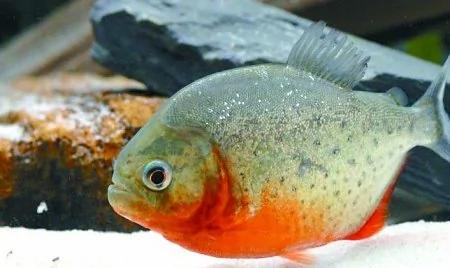
    红腹食人鲳(资料图)

      柳州市民张先生在柳江河被3条食人鲳攻击,手掌几乎被啃掉一块肉,随后,柳州市水产畜牧兽医局发动了官民联动的“追缉食人鲳”诱捕行动。此事过去仅1 个多月,在58同城上却有一重庆卖家以每条15元的价格出售食人鲳。昨日,农业部渔业局政策法规处则称,食人鱼作为一种外来物种,即使是在网上作为观赏鱼进行售卖也是被禁止的。

      网上叫卖食人鱼

      8月21日,网友“串串香”发帖称,发现有人在网上批发食人鱼,并上传图片为证。图片中,联系人为苏苏的卖家公布了手机号和QQ号,并表示“特进一批红腹,另有各类水虎出售,量大特优”。

      记者随即通过QQ号联系上信息发布者苏苏,她告诉记者,自己所出售的红腹就是红腹食人鲳,也称作“水虎”,此类鱼是水中的狼族,小的时候可以用手去捉,但长大了千万别去,“只要是肉,它都会吃的,而且根据鱼缸的大小和饲养的方法,这种鱼最大能长到20厘米长”。她表示,如果需要购买,卖家会送货上门。

      鱼缸养了上千条

      昨日下午,记者对销售点进行了暗访,见面前对方一再声称如发现是记者暗访就“弄死”。记者以买家身份,在离石油路车站不远的老式居民区内见到了销售鱼苗的廖先生。他自称家里是养鱼世家,目前渔场在广州,准备年底在重庆也建个渔场,所以目前主要是从广州的渔场进货,放在家里卖,“你别看我没有门面,我就靠家里这些鱼,每月的收入都在万元以上”。

      在这套90平方米的居民房里,进门便可以看见大大小小10多个鱼缸,据廖先生介绍,这里一共有200多个品种。记者跟随廖先生进到另一个房间,廖先生指着一个长约1米、高约80厘米的鱼缸告诉记者,这里面养的就是“水虎”。记者看到,鱼缸里面密密麻麻的幼鱼在到处游窜,它们身长约5厘米,身体呈白色,形状和鲫鱼很相似。

      “这里差不多有一千多条,是上周刚从广州进回重庆的,前几天就卖掉了一百多条。”廖先生表示,目前最大的食人鱼销售市场还在成都,大约有5个销售点,重庆的买家大多是30岁以下的年轻人,都是通过网络知道消息后来购买的,价格是15元/条,如果买得多,还可以便宜,“这些鱼都是买来观赏或者娱乐的”。

      两周大就有攻击性

      廖先生还特地提醒说:“这种鱼最长能长到20厘米,两个月不到就能长成成鱼,不能和其它鱼种一起喂养,因为它会把其他鱼全都吃掉,养到两个星期后鱼就带有很强的攻击性,饲养者就不能把手指放进鱼缸了。”

      随后,记者走访了江北、杨家坪的花鸟市场,所有水族店的老板都知道食人鱼,不过真正出售的很少见。望海花市一家长期经营热带鱼的老板曾先生表示,店里没有销售食人鱼,但如果客户需要可以帮忙进货,每条价格30~50元不等,“以前严查过的,所以不敢摆出来卖”。

      回应

      农业部渔业局

      不准以任何形式售卖

      “2002 年,国家渔政部门就下发了一份《关于查处食人鱼的紧急通知》的文件,这相当于是当时的一次集中整治行动,但时间过去这么多年,售卖食人鱼的现象又死灰复燃了。”昨天,农业部渔业局政策法规处一位工作人员表示,食人鱼作为一种外来物种,肯定不允许售卖,即使是在网上作为观赏鱼进行售卖也不允许。

      记者随后通过网络检索看到,国家渔政渔港监督局在2002年下发的《关于查处食人鱼的紧急通知》中,要求各地渔业行政主管部门对市场上销售的以及公园、水族馆等养殖、展示的食人鱼进行检查,一经发现立即没收和销毁,并严禁将食人鱼放入自然水域。

      市渔政部门

      调查网友反映的情况

      昨天下午,记者将此事反映给市农业委员会渔业发展处,一秦姓工作人员表示,食人鱼虽然凶勐,但在长江流域的水温下难以生存,并且对于网上出售观赏食人鱼的行为,“目前还没有明确的相关法律法规,执法难度很大”。

      市渔政渔港监督管理处一位魏姓工作人员在接受记者采访时也表示,国家目前对网上出售食人鱼供个人饲养的行为无明确法律法规,执法依据不足,“我们主要是对向自然水域投放食人鱼的行为进行监管,但目前还没接到相关投诉”。至记者截稿时,这位魏姓工作人员打来电话表示已经在网上看到《关于查处食人鱼的紧急通知》文件,接下来会将此事向主管部门反映,并对网友所说的情况进行调查。

    阿波罗网责任编辑:于飞         来源:重庆商报

    http://www.aboluowang.com/news/2012/0825/-160144.html

  • 大陆惊现法制编辑退党微博

    大陆惊现法制编辑退党微博,告诫同行别欺骗百姓。(网络截图)

    大陆惊现法制编辑退党微博 告诫同行别欺骗百姓

    【大纪元2012年08月26日讯】(大纪元记者高紫檀报导)近日,大陆新浪网惊现退党微博,一位自称法制杭州站编辑、记者的博主发微博表示退出XX党员身份,并告诫同行不要再昧着良心再欺骗百姓。

    “XX党”在大陆微博指“共产党”。由于中共在大陆控制媒体,新浪微博也含有过滤机制,对于“退出共产党”等类似词语均予以过滤,公众如想发送此类微博不得不用相关词语如“退出XX党”来代替。

    此前,《人民日报》大地副刊主编徐怀谦于8月22日下午2时跳楼自杀,官方称其患抑郁症。业内众多媒体人发微博表示哀悼,徐怀谦生前的一段话也被再次广泛转发“敢想不敢说,敢说不敢写,敢写不敢发。”


    (网页截图)

    媒体人发微博退出XX党(共产党)

    大陆一位民众通过手机收到此微博,原文为:“【公告】即时起,本人正式宣布辞去法制杭州站编辑、记者职务,提交申请退出XX党员身份,从此退出媒体界。望知情与不知情的相互转告!同时告诫同行,不要昧着良心再欺骗百姓,百姓有公知权,有知道事实真相的权利,谎言迟早会破灭。谢谢!”

    一位看到此微博的大陆民众对大纪元说:“新浪微博上居然有人在退(共产)党,有图片为证!太震撼了,太鼓舞人心了!”

    该民众称,这条微博显示是于北京时间8月24日网11点01分发布的,本人于11点半左右看到了它,当时已有27位网友转发,9条评论。不过,25日再上网关注转发这条微博的网友时,从头找到尾都没有了,已经被小秘“河蟹”掉了。

    大纪元记者上网搜索该微博,原文已经被过滤并删除,但还可以搜索到被转发的此微博。

    记者查阅,该博主标签显示是“媒体人”,不过现在已经表达了准备经商的意愿,说明里显示“现在的媒体人,未来的商人!”


    (网页截图)

    大陆官媒谎言多 媒体人良心难安

    与该博主“退党”感言中“告诫同行,不要昧着良心再欺骗百姓”相对应的,记者在该博主最近所发送微博中,发现其中两条比较有意思的微博。

    一条说:“看昨天《杭州日报》的标题,亮瞎我的铝合金眼!”配图的《杭州日报》标题是:“世界没有一个正常像我们党这样高度重视反腐败斗争”。而最广为人知的事实是,共产党是一个腐败的政党。

    另一条更具讽刺意味:“CCTV1《晚间新闻》:大陆7月物价上涨6.6%,群众一致示‘对生活影响不大’;CCTV4《海峡两岸》:台湾物价增长4.5%,民众大叫‘活不了了’!”


    (网页截图)

    (网页截图)

    “三退”是表达不耻与中共组织为伍的最佳方式

    大纪元记者在微博搜索过程中发现,“退出共产党”等类似语言均被屏蔽,只有“退出XX党”还可以勉强显示几条。

    另外也有民众表示:“不玩了,不陪那些人民的儿子们玩了,我宣布:退出那‘伟大’的XX党!”

    近年来,随着网络的发达和中国民众的觉醒,中共的贪污腐败、迫害人权、倒行逆施、欺骗民众等种种恶行逐渐暴露于公众视野,中国民众纷纷通过各种手段在各种场合表达对中共的愤慨。中国人一般都曾被中共欺骗加入过“党、团、队”,而“三退”(退出共产党、共青团、少先队)则是民众表达不耻与中共组织为伍的最佳方式。

    自2004年大纪元社论《九评共产党》发表以来,“三退”活动得到全球华人的支持与赞扬,大纪元网站上的退党服务中心数据显示,截止记者发稿,已经有超过1亿2千2百万人登记三退。

    联络本文作者请发邮件到:gaozhitan@gmail.com

    (责任编辑:姜斌)

    如果您有新闻线索或资料要给大纪元,请进入安全投稿爆料平台
    中港台时间: 2012-08-26 16:34:42 PM 【万年历】
    本文网址: http://cn.epochtimes.com/gb/12/8/26/n3668211.htm大陆惊现法制编辑退党微博–告诫同行别欺骗百姓

  • 《P民报》讽时弊网友最爱 新

    《P民报》讽时弊网友最爱 新浪急封杀(组图)

    2012-08-26 12:30 PM

     0  New  0  0  0
     

    【新唐人2012年8月26日讯】(新唐人综合报导)近日,广受大陆网友欢迎的《P民报》被新浪微博强行删除。此电子报于今年6月由网友创办,内容幽默讽刺,针砭时弊。版面设计时尚现代,创意独特,巧妙折射社会问题。网友表示,《P民报》贴近百姓生活,一览天下风云,但〝寿命〞太短,令人惋惜。

    日前在新浪发布的《P民报》创刊一个多月,天天出报,日发行量已达4000多份。但已被新浪封杀。

    网友对《P民报》赞赏有加 叹〝寿命〞太短

    对《P民报》短暂的昙花一现,网友纷纷惋惜不已,痛斥当局做法太过霸道!扼杀言论自由。

    诸葛不倩:好报,可惜了~

    老蕾原是尼酷桑微博达人:P民报,贴近百姓生活,一览天下风云。

    俯瞰烤苹果:这报若上市,中国有救了。

    King之低调:广受大陆网友欢迎的《P民报》被新浪微博强行删除。此电子报于今年6月由网友创办,内容以幽默讽刺方式针砭时弊,但〝寿命〞太短,令人惋惜。——还有没有出版自由、言论自由了!

    网友候鸟刘凡表示:要不是听到被封的消息,我还不知道微博上有这么一份精彩的报。某些人这不是搬起石头砸自己的脚么?

    网友慕容黑白:这几天,大家很忙。有人忙着普法,有人忙着劳教;有人忙着复兴,有人忙着约炮;有人忙着开会,有人忙着睡觉;有人忙着砍人,有人忙着艳照;有人忙着辩解,有人忙着偷笑;有人忙着爆头,有人忙着保钓;有人忙着更新,有人忙着封号。周公说:〝只是分工不同,都为人民服务〞。P民报忙小号—— 慕容黑白


    P民报封面合集(网络图片)


    P民报封面合集(网络图片)


    P民报封面(网络图片)


    P民报封面(网络图片)


    P民报封面(网络图片)

    http://www.ntdtv.com/xtr/gb/2012/08/26/atext753912.html

  • 精彩网语:讽刺现实经典对

    精彩网语:讽刺现实经典对联
     
     
    【人民报消息】

    赵本山赠给刘翔对联一副:

    上联:赚了八年广告费;
    下联:骗了两届奥运会。
    横批:残奥再见

    刘翔回赠赵本山:

    上联:大款演农民上了二十年春晚;
    下联:外籍装土鳖骗了十三亿国人。
    横批:继续忽悠

    网友送赵本山刘翔两人一副对联:
    上联;一跑一演一骗一忽悠;
    下联:二傻二愣二逼二狗子。
    横批:抬腿撅嘴

    讽刺现实经典对联

    上联:男生,女生,穷书生,生生不息!
    下联:初恋,热恋,婚外恋,恋恋不舍!
    横批:生无可恋

    上联:博士生,研究生,本科生,生生不息!
    下联:上一届,这一届,下一届,届届失业!
    横批:愿读服输

    上联:金沙江,嘉陵江,黑龙江,江江可投!
    下联:实验楼,教学楼,宿舍楼,楼楼可跳!
    横批:空前绝后

    上联:上压下层层加码,马到成功;
    下联:下骗上节节掺水,水到渠成。
    横批:皆大欢喜

    上联:红米饭南瓜汤,老婆一个孩子一帮;
    下联:红米饭王八汤,孩子一个老婆一帮。
    横批:与时俱进

    上联:进无门退无门借贷无门,
    下联:年好过月好过日子难过。
    横批:身无分文

    上联:手中那点工资,勉强够我糊口;
    下联:眼下这般房价,简直逼人跳楼。
    横批:忍无可忍

    http://www.renminbao.com/rmb/articles/2012/8/23/57093.html

  • 法广:人民网关注大连尸体

    法广:人民网关注大连尸体加工厂文章遭删除

    【大纪元2012年08月25日讯】(法国国际广播电台特约记者周西报导)被称为“死亡博士”的德国人哈根斯早在四年前就已发出的一份“免责声明”,自今年8月中旬以来却在国内的微博等网络空间广为流传,引发舆论的普遍关注。这份声明说:“本次展览的全身尸体以及人体各部位、器官、胎儿和胚胎,均来自于中国公民的尸体。这些中国公民的遗骸则来自于中国警方,而警方可能是从中国监狱所获得,无法独立核实他们是否属于被关押在中国监狱中那些被处死的人……”。

    人民网22号发表的文章《哈根斯公司疑用死刑犯做人体展览引争议》中说,生物塑化领域世界上最大的两个工厂都位于中国大连,德国人哈根斯和他的门徒、大连医大教授隋鸿锦先后卷入其中。那么,这份引爆中国互联网的“免责声明”究竟是由谁发出的?谁应对此负责呢?为此,哈根斯方面和隋鸿锦在分别接受南都的独家专访时,都否认曾使用过死刑犯的尸体。

    文章又说,多年来,德国《明镜周刊》等国外媒体多次报导,并怀疑哈根斯在大连的工厂使用了死刑犯尸体,但后者一直坚决否认。因此,这次网上盛传的这份声明刚一出现,就被一些网友认为是发现了铁证──就连哈根斯的网站上都承认了。不过,这则声明虽然确实存在,但却不是出现在哈根斯自己的网站上,而是在其竞争对手——美国第一展览公司“人体展览”的网站上,个中原委,令外界一时难以搞清。

    然而,更为引人关注的是,人民网的这篇文章,以及一段时期以来的相关报导和评论,这两天却陆续从国内各大门户网站上纷纷消失了,个中缘由,更是耐人寻味。

    附:哈根斯公司疑用死刑犯做人体展览引争议 2012-08-22 19:42:00 来源: 人民网(北京) 

    生物塑化领域世界上最大的两个工厂都位于大连,德国“死亡博士”哈根斯和大连医大教授、大连鸿峰总经理隋鸿锦先后卷入其中,而世界上最大的展览公司之一也牵扯在内。一则4年前就发出的“免责声明”是如何引爆中国互联网的?谁发出的声明?谁应对此负责?声明的内容是真的吗?哈根斯方面和隋鸿锦分别接受了南都独家专访,都否认曾使用死刑犯尸体,而“免责声明”背后是两人之间20年的恩怨。

    不为人知的是,曾为全球最大的“尸体工厂”已经面临拆迁,哈根斯已在去年退出中国。8月18日,大连市高新园区七贤岭产业化基地高能街2 7号,两栋看上去毫不起眼的厂房,被疯长的杂草包围。原主人已经离去,到处都一片狼藉,大门上贴着“2012年2月29日封”的封条。不久后这两栋房子就将被拆迁,不留一丝痕迹。而在几年前,这里还被认为是世界上最大的“尸体工厂”———冯•哈根斯生物塑化(大连)有限公司。

    尸体被运到这里,经过一系列的“塑化”处理,成为可以长久保存的人体标本,在20多个国家展出,近2000万人参观。几天前,这个曾经辉煌而今悄然废弃的工厂,忽然又在中国的微博上火了起来。

    “死亡博士”再陷尸源争议 引发风波的“免责声明”其实来自其竞争对手的网站

    “哈根斯免责声明:本次展览的全身尸体以及人体各部位、器官、胎儿和胚胎来自于中国公民的尸体。这些中国公民的遗骸来自于中国警方,中国警方可能是从中国监狱获得,无法独立核实他们是否属于被关押在中国监狱中被处死的人……” 这是一条8月中旬以来在微博等网络空间广泛流传的信息,有的单条微博就获得了数千次的转发和评论。

    今年67岁的哈根斯是德国人,1977年发明了生物塑化技术,通过一系列处理将人类或其他动物尸体中的液体和脂肪用硅胶等置换,塑化后成为“尸表其外,硅胶其中”的标本,不再腐化,近乎没有异味,肌肉甚至内脏直接裸露,看起来依然保持着身体和器官的结构和外形,可以长期保存和展示。他首创的“人体世界”展览多年来吸引了超过了2000万参观者,也招致了诸多批评。

    在德国,他被称为“死亡博士”。在中国,2003年《了望东方周刊》深度报导了他在中国大连建立的“全球最大尸体工厂”,每年进口100多具尸体,制作至少40具完整的人体塑化标本,一直未在中国举办展览、甚至工厂门口连块牌子都不肯挂的哈根斯也由此在中国声名大噪,备受争议。当时,《了望东方周刊》的记者走进了哈根斯的工厂,参观了固定、解剖、锯切、脱水、脱脂、定型硬化等六个车间的工作,看着尸体的皮肤被剥去,去除脂肪,暴露出肌肉。

    2012年8月15日,这位唯一进过哈根斯工厂的中国记者在电话里告诉南都记者,当年获得的光盘等资料都已丢弃,那是一段让人难受恶心的经历。多年来,德国《明镜周刊》等国外媒体多次报导,怀疑其在大连的工厂使用了死刑犯尸体,但哈根斯一直坚决否认。此次网上盛传的声明一出现就被一些网友认为是发现了铁证——哈根斯自己的网站上都承认了。

    声明引爆网络,有的怀疑真假,有的同时贴出哈根斯此前展览的照片和死刑犯尸体照片,甚至有的试图把一些失踪者照片与人体标本联系起来,也有人发起了“将哈根斯逐出中国”的网上请愿。但是,这则声明虽然确实存在,却不是出现在哈根斯的网站上,而是在哈根斯的竞争对手——美国第一展览公司“人体展览”网站上,全文如下:

    “本展览所展出的中国公民或居民的人体尸体最初由中国警方获得。中国警方有可能从中国监狱里获得尸体。第一展览公司(Premier)无法独立核实你所观看到的尸体不是来自被监禁在中国监狱里的人。本展览展出的人体全身以及人体部位、器官、胎儿和胚胎来自中国公民或居民的尸体。第一展览完全依靠中国合作伙伴,无法独立核实这些人体全身及人体部位、器官、胎儿和胚胎不是来自在中国监狱被监禁或被处决的人。“

    据南都记者了解,2008年在纽约州总检察长要求下,第一展览公司在展览官网和纽约展览现场贴出了这则声明。

    “从未用过中国尸体” 哈根斯“人体世界”发表声明,称使用中国尸体的是其模仿者“人体展览”

    免责声明中明确提到了主办方是第一展览公司,全世界最大的展览公司之一,泰坦尼克号的打捞和物品展览就是该公司的业务。“人体展览”近年已成为该公司收益的主要来源之一,长期在拉斯韦加斯、纽约和该公司总部亚特兰大举办,门票价格一般20多美元。在2004年以前,人体标本展览还是哈根斯独家秘诀,据《纽约时报》2006年报导,哈根斯的展览到那一年已经吸引了超过2000万人参观,收益超过2亿美元。

    2005年,第一展览公司也在美国开始了人体展览,成为了哈根斯的竞争对手。第一展览是纳斯达克上市公司,南都记者查阅了其近年年报,2009年form 10-k显示,该公司19%的收入来自泰坦尼克,67%的收入来自人体展览。对于那则“免责声明”在中国网络引发的舆论热议,8月17日,“人体世界”美国分部、德国海德尔堡生物塑化研究所公关负责人盖尔•维达•汉堡(Gail Vida Hamburg)给南都记者发来声明,称网传消息错误报导了“人体世界”尸体来源,声明称哈根斯发明了生物塑化技术,但哈根斯与使用该技术的所有模仿展览均无关系。

    声明称,模仿者承认使用了来自中国的无人认领的尸体,而“人体世界”从没用过来自中国的尸体,同时,“我们严正声明‘人体世界’的展览从未使用过无人认领的尸体或是来自中国监狱的死刑犯尸体。”被哈根斯称为“模仿者”的第一展览公司,在公司年报和“人体展览”官网上将尸体来源描述为:完整的人体标本系来自自然死亡的中国居民。

    根据中国法律,无人认领的尸体会被送到医学院用作教育或研究用途,而死者身份、病史和死因都属于保密信息,无从透露。但是,哈根斯却并非与第一展览公司的声明毫无关系,实际上,在大连鸿峰总经理隋鸿锦看来,哈根斯就是“罪魁祸首”。

    隋鸿锦告哈根斯 美国ABC节目中的匿名人士承认当年受老板哈根斯的指使作假指控

    “如果不是因为哈根斯,不是因为美国A BC(美国广播公司)的《20/20》节目,就不会有这个声明。”8月17日,在一个解剖学学术会议期间,隋鸿锦对南都记者说。隋鸿锦是大连医科大学教授、博士生导师,大连鸿峰生物科技有限公司总经理,也曾是哈根斯的学生,哈根斯公司的总经理,后来辞职创办了大连鸿峰。现在,他是哈根斯最大竞争对手第一展览公司的中方合作伙伴——第一展览的人体标本就是来自他的大连鸿峰。

    据隋鸿锦介绍,双方签署了5年期的租赁协议,第一展览为此支付2500万美元。“我们一直在努力要求第一展览把声明撤下来。”隋鸿锦说。2008年2月15日,美国ABC《20/20》节目报导指称大连鸿峰使用了死刑犯尸体,制成塑化标本后提供给美国第一展览公司在美国展览,并以多张照片为证。隋鸿锦称,当时节目引发美国舆论狂潮,第一展览公司的CEO因此下课,纽约州总检察长威胁关掉展览,除非挂出免责声明。

    第一展览新上任的CEO,在没有全面了解详情,也没有征求大连鸿峰意见的情况下,迫于重压仓促地与纽约州总检察长达成协议,在官网纽约页面和纽约展览现场贴出免责声明。“实际上我们提供的塑化标本根本没有来自死刑犯的,从大连鸿峰建立第一天起,就没有一具!”隋鸿锦称,大连鸿峰的尸体来源是医学院校的解剖尸体。

    这些尸体,在ABC节目中被描述为部份来自死刑犯尸体,一位以背影出现在节目中的匿名证人指称自己为隋鸿锦工作,曾收集购买死刑犯尸体,并出具多张照片为证。隋鸿锦称,自己知道从未使用过死刑犯尸体,所以认定是被人陷害,所以一直在找那位匿名人士,两年后终于找到,是哈根斯公司前员工孙某。孙某承认,自己是受当时老板哈根斯的指使,作假指控。

    隋鸿锦打算在美国起诉美国ABC,后者积极查证报导,并与隋鸿锦方面一起对孙某取证,最终双方达成和解。同时,隋鸿锦在大连将哈根斯公司告上法庭。2010年9月,大连旅顺口区人民法院判决驳回起诉,隋鸿锦随即提出上诉。2012年,大连市中院二审,法庭认定孙某2000年-2009年系是哈根斯公司员工,作证称是经哈根斯授意接受美国记者采访,目的是为了市场竞争。大连鸿峰因A BC的报导损失租金、运费、律师费等共计4000万元。

    3月13日大连中院作出终审,撤销初审判决书,判决哈根斯公司名誉侵权成立,赔偿大连鸿峰公司损失450万元,赔偿隋鸿锦精神抚慰金50万元。

    (责任编辑:徐亦扬)

    如果您有新闻线索或资料要给大纪元,请进入安全投稿爆料平台
    中港台时间: 2012-08-25 09:27:38 AM 【万年历】
    本文网址: http://cn.epochtimes.com/gb/12/8/25/n3667488.htm法广-人民网关注大连尸体加工厂文章遭删除